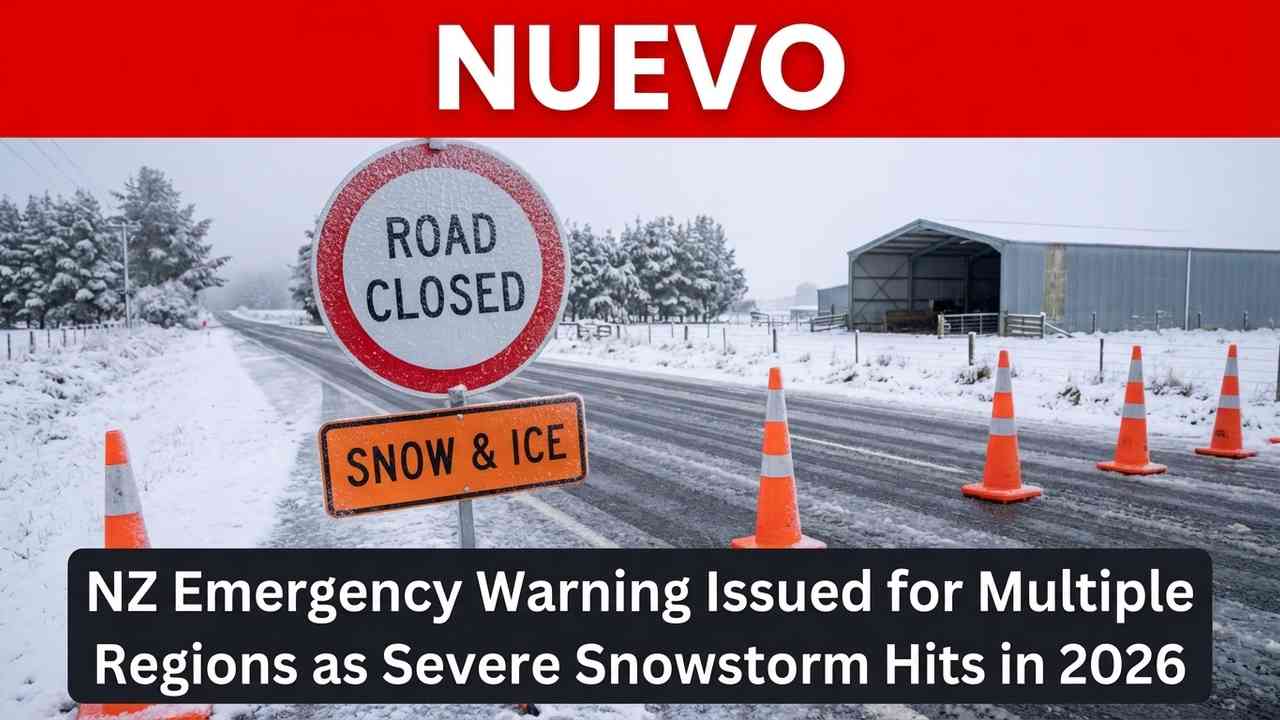
what’s happening across new zealand is not just weather on the radio — it’s a cascade of government action, council response and community stress-testing infrastructure this season. Residents need to know which agencies will actually move money and services, who qualifies for help, and the deadlines to claim support when floodwaters, wind or slips hit.

what’s happening across new zealand: current alerts and who’s in charge
MetService, regional councils and Emergency Mobile Alerts
MetService issues the forecasts, regional councils issue flood and river warnings, and the National Emergency Management Agency (NEMA) coordinates the national response. The Emergency Mobile Alert system pushes life‑saving messages to phones in affected locations; if you get one, treat it as official instruction. Local Civil Defence Emergency Management (CDEM) groups (there are 16 CDEM groups across the country) run evacuation centres and welfare hubs.


“We work at the local level first, then escalate when needs exceed capacity,” said a NEMA spokesperson. “Early action saves lives and reduces recovery costs.”
what’s happening across new zealand: who qualifies for emergency welfare and how it’s administered
Who qualifies and which agencies administer support
Support is split between immediate welfare (shelter, food, clothing) and financial recovery (temporary income support, grants). Key players:
- National Emergency Management Agency (NEMA) — coordination and large‑scale logistics.
- Ministry of Social Development (MSD) / Work and Income — handles Special Needs Grants, Temporary Additional Support and emergency accommodation referrals.
- Regional councils and territorial authorities — local evacuation centres, sandbag distribution, and road closures.
Eligibility is pragmatic: if your home is uninhabitable, you or your dependants may be directed to welfare services. Work and Income assesses income and immediate needs to decide grant amounts; those already on benefits will usually get faster decisions.

How to apply: step-by-step for emergency assistance
Step-by-step application process
- Immediate safety first: Call 111 for life‑threatening emergencies; follow evacuation instructions from your local CDEM group.
- Attend a welfare hub: If a welfare centre opens, staff from council, Red Cross and Work and Income will register needs and offer short‑term shelter.
- Contact Work and Income: Phone 0800 559 009 or visit workandincome.govt.nz to request a Special Needs Grant or Temporary Additional Support. If you cannot access the web, welfare staff can lodge an application on your behalf at the welfare hub.
- Document and document again: Take photos of damage where safe, keep receipts for emergency purchases, and note dates and times of events — these speed claims and insurance conversations.
- Follow up: If you are told a national response will be triggered, monitor NEMA and your council websites for details on broader recovery funding rounds.
Payments, dates, documents and what to expect
Payment types, example amounts, timelines and required documents
There is no one‑size‑fits‑all cheque from Wellington. Instead, a blend of short‑term supports and case‑by‑case grants applies. Below is a snapshot to help households plan.
| Support type | Administered by | Typical action | Example amount / timeframe |
|---|---|---|---|
| Emergency shelter and food | Local CDEM / Red Cross | Room in welfare centre; meals | Immediate; stays arranged 1–7 days |
| Special Needs Grant | Work and Income (MSD) | One‑off payment for essentials (clothing, bedding, urgent repairs) | Case‑by‑case; examples range NZ$200–NZ$2,000; decision within 24–72 hrs |
| Temporary Additional Support | Work and Income (MSD) | Short‑term income top‑up while you recover | Varies by household; weekly payments can be arranged; review at 4–12 weeks |
| Insurance claims | Private insurers | Property and contents assessment | Claim lodgement: immediately; assessor: typically 1–4 weeks |
Required documentation: photo ID (driver licence or passport), proof of residence (rates bill or tenancy agreement), bank account details, photos of damage, and receipts for emergency purchases. If you don’t have ID, welfare staff can accept alternative evidence and help you apply.

Deadlines: lodgement for Work and Income emergency grants should be done as soon as practicable — the faster you apply, the faster you’ll receive assistance. Insurance claims should be lodged within the timeframe stated in your policy (commonly 30–90 days); check your own policy for specifics.
Practical preparation, deadlines and local council actions
Local councils control many immediate responses — road closures, temporary sandbag hubs and opening welfare centres. Councils also maintain river‑level and coastal monitoring pages; sign up for local alerts. If you have complex needs (medical equipment, mobility assistance), register these with your local council ahead of time so welfare managers can prioritise you.
I’d argue the bigger failure is not agency coordination — that usually works — but public complacency. Too many households wait until water is at the door. Prepare an emergency kit (three days of food and medication), secure important documents in a watertight bag, and know two evacuation routes.
FAQ
Who should I call first after immediate danger passes?
Ring your local council or the Work and Income helpline on 0800 559 009 to register for welfare support. For life‑threatening situations always call 111.
Can I get money straight away?
Work and Income can approve Special Needs Grants quickly — often within 24–72 hours — for essentials. Welfare hubs can provide immediate shelter and food while financial assessments are completed.
Does the national government automatically pay for damage?
No — national funding is reserved for large‑scale events where local capacity is overwhelmed. Most recovery is a patchwork of insurance, local council action, MSD assistance and community fundraising.
What documents are essential for a grant or claim?
Photo ID, proof of address, bank account details, photos of damage and receipts for urgent purchases. If you lack documents, welfare staff can advise on alternatives.
Where do I find reliable updates?
Use MetService for forecasts, your regional council for river/coastal warnings, NEMA for national coordination, and workandincome.govt.nz for welfare support details.
Bottom line: what’s happening across new zealand this season tests both infrastructure and community readiness. Agencies can and do provide targeted money and services — but only when people act early, document damage and use the right channels. If you live in a flood‑prone or coastal area, consider this a practical prompt: check your insurance, update your emergency kit, and memorise the steps above. That preparation matters more than any single press release.